Every second counts in series work.
Cycle time, machine rate and setup each on their own line, for the quantity the customer asks for.
A repeat order beside its last estimate.
SDX-MFG-001 Rev J, 25 parts
- Material
- EN AW-6061, 298 × 388 × 97 mm
- General tolerance
- ±0.1 mm, angle ±1°
- Flatness 0.05 mm
- M4-6H, 2×
- Roughness
- Ra 3.2 general
- FinishingOutsourced
- Black anodising
- Setups
- 2, +Z and −X
- Cycle time
- 10 h × €165.00/h
- ProgrammingOne-off
- 8 h × €95.00/h
- SetupPer series
- 4 h × €165.00/h
What does this part cost in your shop?
See how Blake calculates with your machines, rates and production setup.
Request a demoMachining per part at the machine’s hourly rate; setup and programming on a line of their own.
Cycle time broken down
An estimate from the geometry, the material and your own machine, every term visible.
Setup on its own
One-off costs per batch, spread over the quantity asked.
Repeat order beside the last
The same shaft, the next order: its last priced estimate sits beside it.
- Part
- 294 × 384 × 93 mm
- Envelope
- 800 × 800 × 550 mm
- Axes and reach
- 5 axes, tilts to the operation
ManufacturabilityUnder reviewFlatness 0.05 mm, to confirm
TimeBasis of the estimate
- 1+Zto the spindle
- 2−Xto the spindle
- Drill Ø3.32× M4-6H, from −X
- Tap M4-6Hafter drilling
Every machine with envelope, axes and its own hourly rate, for the whole team.
A rate per machine
Machining is priced at the rate of the machine that makes the part.
Does it fit?
A first check per machine, with the reason beside it.
Your setups
How many setups, and from which side: you record that yourself.
- SDX-MFG-001_Rev-J.pdf
- SDX-MFG-001_Rev-J.step
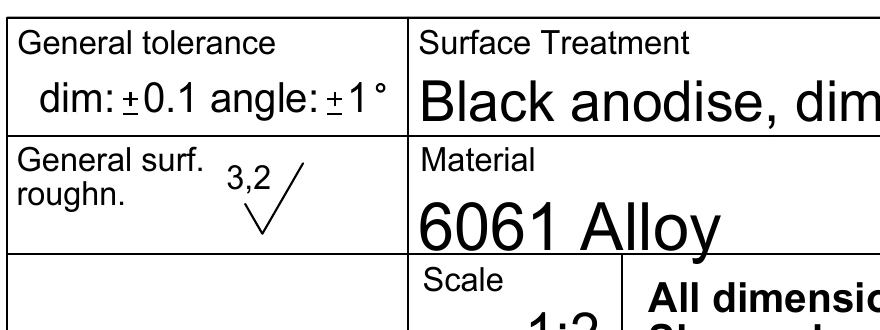
Read from the drawingTo check
- Material
- 6061 Alloy
- Finishing
- Black anodise, dim. stable
- General tolerance
- ±0.1 mm, angle ±1°
- Surface roughness
- Ra 3.2 general
Part number, revision and quantity for every part, with model and drawing together.
Revisions kept
Every revision stays with the part, with its own files.
The requested quantity
The customer’s quantity sits with the part.
Requirements as proposals
Material, tolerance and finishing: confirm them or change them.
What sets a part price in series.
Cycle time is in every part.
At high quantities, cycle time goes into every part. A few seconds either way soon add up to real money.
A setup that stays in place.
With call-offs the setup often stays on the machine for the next order. That changes what setup costs per part.
Tool life and lights-out hours.
Tool life becomes a cost per part, and a machine running lights-out has a different hourly rate.
One model under estimating and the shop floor.
Underneath Blake sits Subduxion’s manufacturing world model: how a part, its requirements, your machines and your team’s decisions fit together. The next steps build on it.
- Tools, holders and fixtures go into the same model.
- Next: every setup checked before the machine runs.
- Engineering, estimating and production then work from one model.
Frequently asked questions
Can Blake price large quantities?
Yes. You price the quantity the customer asks for: machining per part at the machine’s hourly rate, with setup and programming on their own line.
How does Blake handle repeat orders?
When a part comes back, the new estimate sits beside the last one you priced. You see what changed before you send the price.
Where does the cycle time come from?
From the model's geometry, the material and your own machine. It is an estimate, and you see and adjust every term in the calculation.
Can every machine have its own rate?
Yes. Every machine has its own hourly rate, and machining is priced at the rate of the machine that makes the part.
Price a series with us.
In the demo we take an example part from drawing to part price, then talk about how your repeat orders come in.
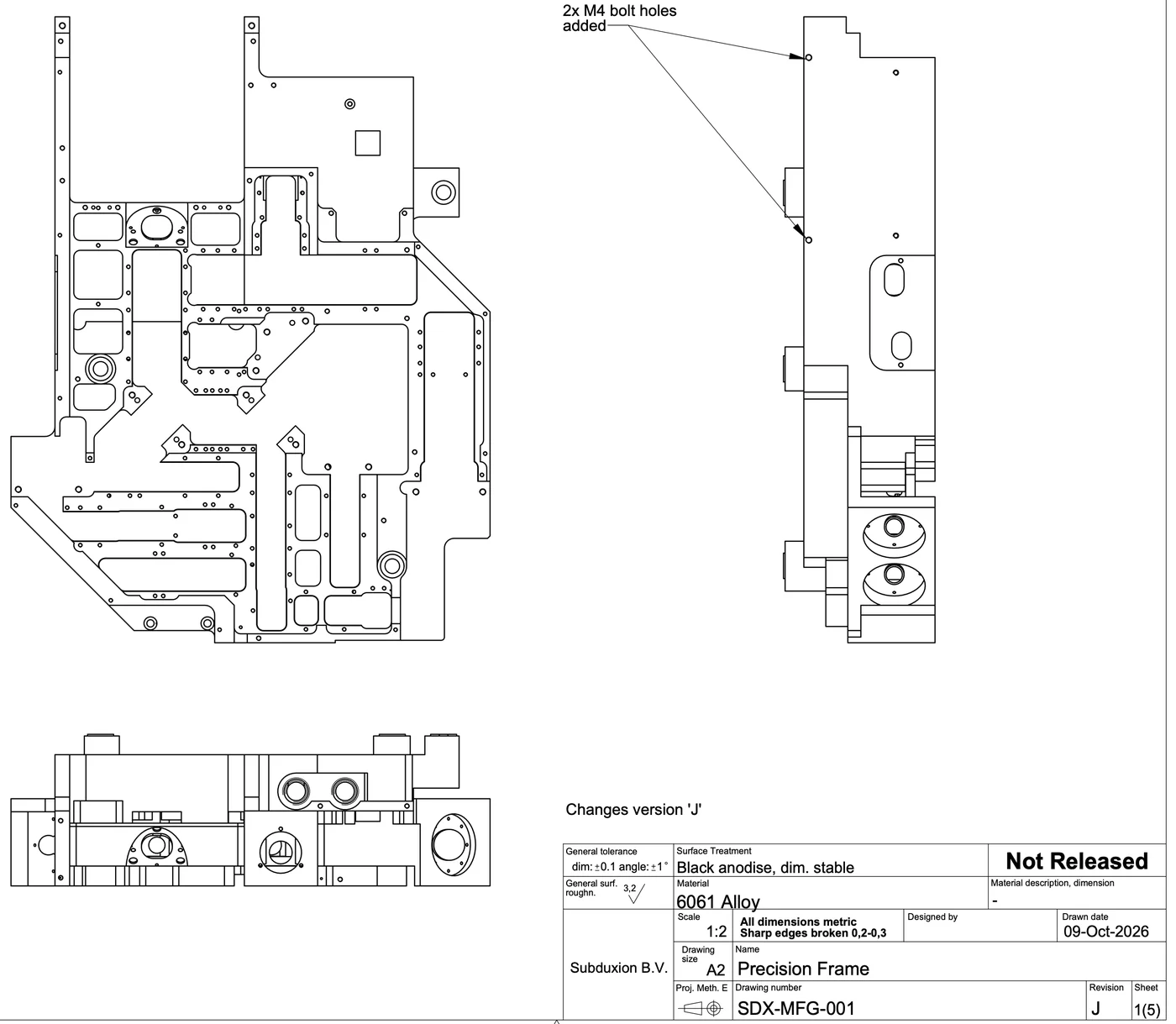
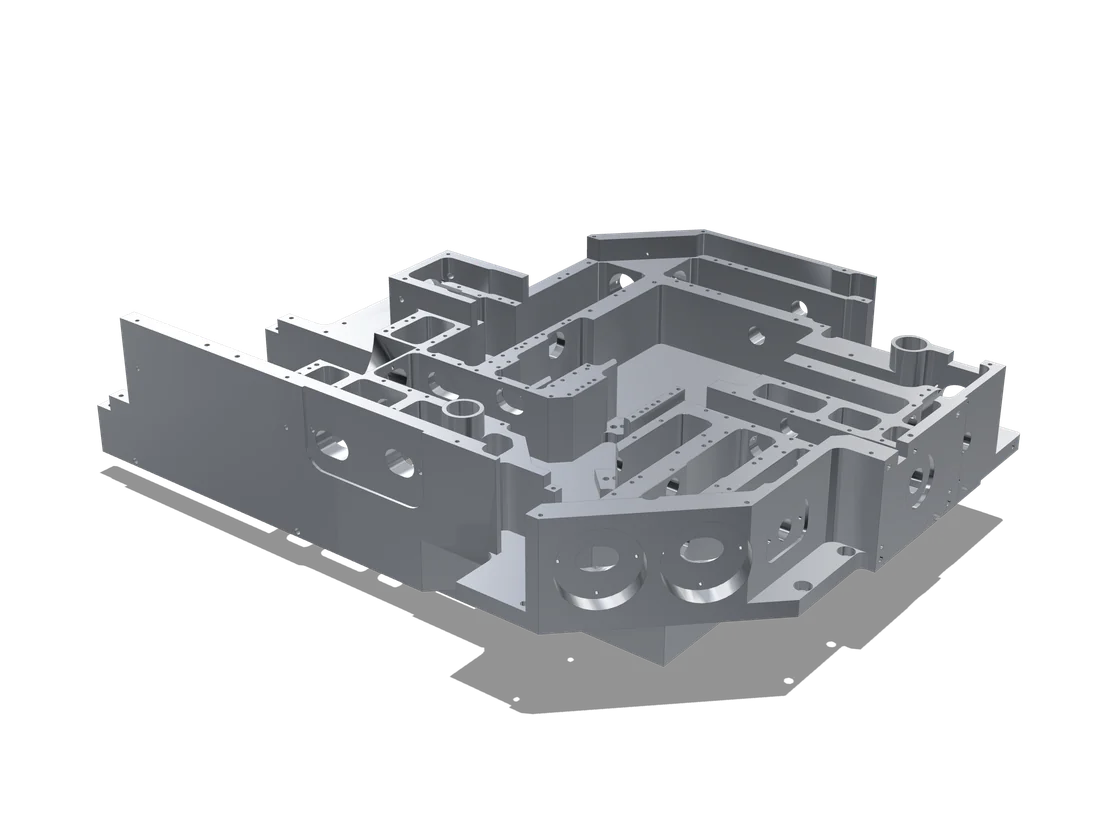
SDX-MFG-001 Rev J