AI for turning.
From bar stock to quantity breaks, on your own lathes and rates.
From drawing and bar to a price per part.
- SDX-MFG-022_Rev-C.pdf
- SDX-MFG-022_Rev-C.step
Read from the drawingTo check
- Material
- 42CrMo4 (1.7225)
- Finishing
- Induction hardened, 52 HRC
- Tolerance
- Ø25 h6 at the bearing seat
- Surface roughness
- Ra 0.8 at the bearing seat
Complete part by part.
Model and drawing
Paired by file name. Any doubt stays a question for you.
Requirements
Diameters, tolerances and threads from the drawing, ready to confirm.
Revisions
Every revision kept, with its own files.
- ECBExchange ratesEvery working day
- EurostatProducer pricesMonthly
- World BankAluminium, LMEUSD 3,283/tSep 2026
Your material catalogueYour own names and prices
Reference updatedAluminium, Sep 2026. The estimate still uses your own purchase price.
Your own purchase prices.
Own purchasing
With source and price history.
References
ECB, Eurostat and World Bank, dated.
Metal and plastic
In one catalogue.
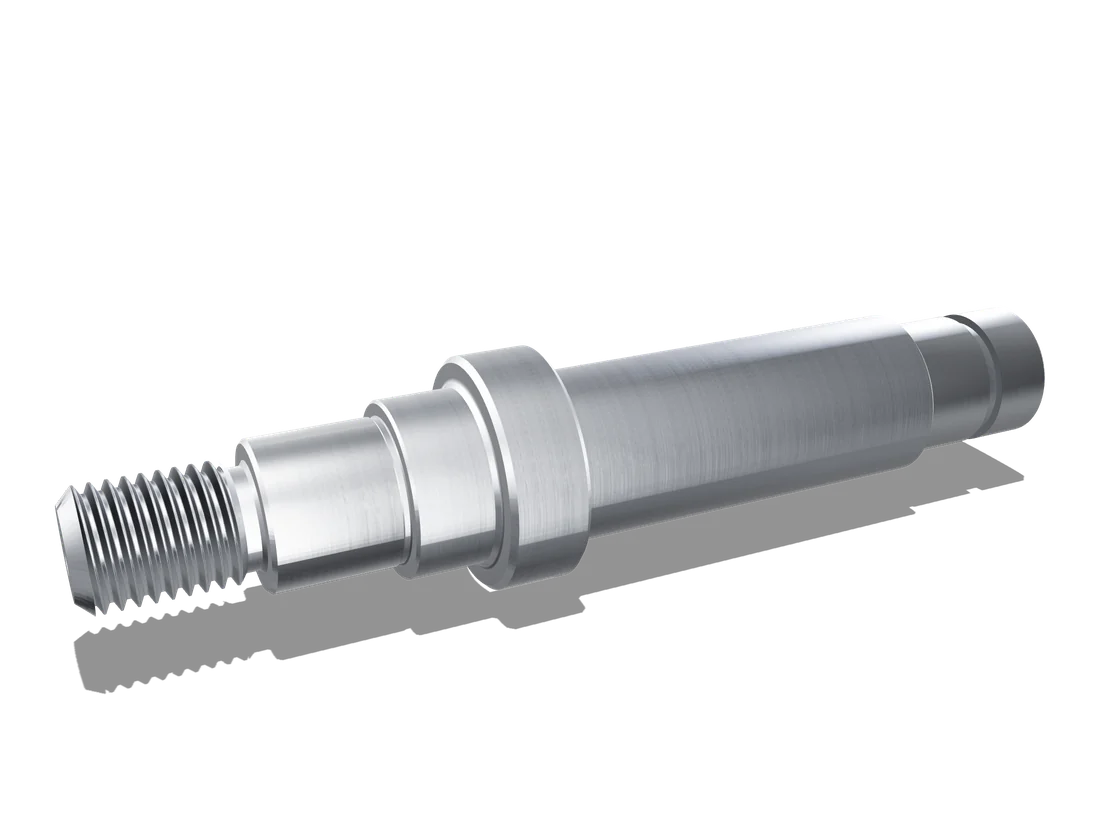
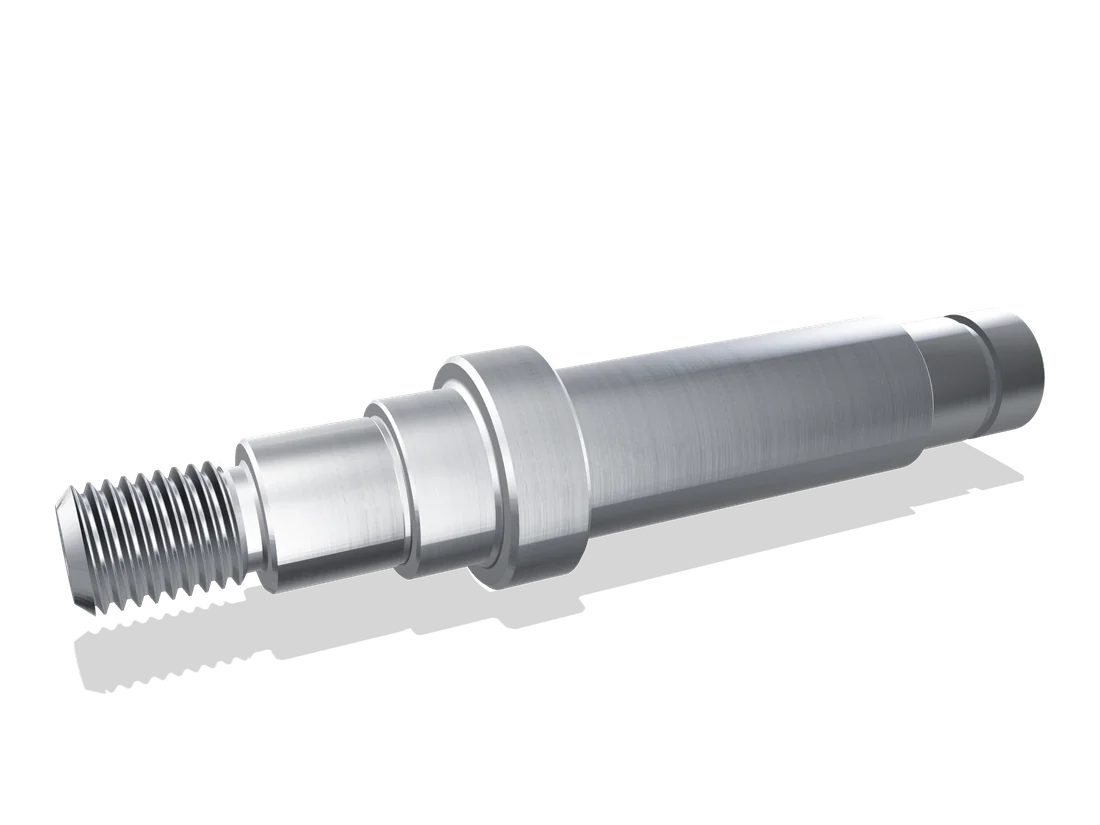
SDX-MFG-022 Rev C, 100 parts
- Material
- 42CrMo4, Ø45 × 185 mm
- General tolerance
- ISO 2768-mK
- Ø25 h6, 2×
- Ø22 h11
- M20×2.5-6g
- Roughness
- Ra 1.6 general
- Ra 0.8 at the bearing seats
- FinishingOutsourced
- Induction hardening, 52 HRC
- Cycle time
- 14 min × €78.00/h
- ProgrammingOne-off
- 2 h × €95.00/h
- SetupPer series
- 1 h × €78.00/h
What does this part cost in your shop?
See how Blake calculates with your machines, rates and production setup.
Request a demoEvery line with time, rate and quantity.
Separate lines
Material, turning time, setup and programming.
Quantity breaks
Cost per part at every quantity asked.
Repeat parts
Beside their last priced estimate.
Where a turned part gets expensive.
The bar.
Diameter, part-off length and remnant set the material cost.
Slender shafts.
A long, slender shaft often needs a tailstock or a steady rest.
The second side.
Reclamping in soft jaws takes time. A sub-spindle often saves a setup.
After the estimate comes the measured time.
Underneath Blake sits Subduxion’s manufacturing world model: how a part, its requirements, your machines and your team’s decisions fit together. It estimates the machining time first; the next steps put the measured time beside it.
- Next: the cycle time from the CAM program beside the estimated time.
- Then the machine’s hours per order, beside the estimate.
- Every next estimate then starts from what was actually made.
Frequently asked questions
How does Blake estimate a turned part?
Blake puts bar stock, turning time, setup and programming on separate lines, per part and per batch, at your own lathes and rates. Outsourced hardening or plating gets its own line at your supplier’s rate.
Does Blake take tolerances and threads from the drawing?
Yes. On a turned part, above all the fits on the diameters, the threads and the roughness of the running faces. Blake reads them from the PDF drawing and places them as proposals beside the turned part’s STEP model. You confirm or correct them.
Does Blake use our own bar prices?
Yes. Blake uses your own purchase prices for bar and other stock, with source and price history. ECB, Eurostat and World Bank references sit beside them, with source and date. They never replace your purchase price.
How do I compare a repeat order with the last estimate?
Blake puts the repeat part beside its last priced estimate, so you see what has changed since the last price before you quote again.
What does a turned part cost in a larger batch?
The quantity breaks show the cost per part at every quantity. Setup and programming spread over the batch; bar, turning time and finishing stay the same per part.
Should-cost versus your real cost price
Category: Guides8 min read
Milling or turning: which route costs less?
Category: Know-how7 min read
Mill-turn: when does one machine pay off?
Category: Know-how7 min read
Your turning know-how.
In every estimate.
In a demo, we take a drive shaft from bar stock to quantity breaks.
SDX-MFG-022 Rev C