AI for mill-turn.
Turning and milling of one part in one estimate, at your own machine’s rate.
One part on one machine in one estimate.
- SDX-MFG-027_Rev-A.pdf
- SDX-MFG-027_Rev-A.step
Read from the drawingTo check
- Material
- 1.4404 (316L)
- Finishing
- Electropolishing
- General tolerance
- ISO 2768-mK
- Surface roughness
- Ra 1.6 at the bearing seat
Complete part by part.
Model and drawing
Paired by file name. Any doubt stays a question for you.
Requirements
Tolerances, roughness and threads from the drawing, ready to confirm.
Revisions
Every revision kept, with its own files.
- Part
- Ø58 × 92 mm
- Envelope
- Fits the envelope
- Axes and reach
- Turning with a milling spindle and B-axis
ManufacturabilityUnder reviewRa 1.6 at the bearing seat, to confirm
TimeBasis of the estimate
- 1Main spindleturning, flat and cross bore
- 2Sub-spindlesecond side, flange
- Grooving insert 3 mmgroove for the retaining ring
- End mill Ø10flat, from the B-axis
Checked against your own machines.
Envelope and axes
Recorded per machine.
Hourly rate
Your rate, per machine.
First check
The deciding limit, per machine.
SDX-MFG-027 Rev A, 50 parts
- Material
- 1.4404, Ø60 × 95 mm
- General tolerance
- ISO 2768-mK
- Ø36 g6
- Ø8 H7
- Keyway 10 P9
- Roughness
- Ra 3.2 general
- Ra 0.8 and Ra 1.6 at the fits
- FinishingOutsourced
- Electropolishing
- Cycle time
- 38 min × €135.00/h
- ProgrammingOne-off
- 3 h × €95.00/h
- SetupPer series
- 1.5 h × €135.00/h
What does this part cost in your shop?
See how Blake calculates with your machines, rates and production setup.
Request a demoEvery line with time, rate and quantity.
Separate lines
Material, turning and milling time, setup and programming.
Quantity breaks
Cost per part at every quantity asked.
Setups
Main and sub-spindle, recorded per route.
When mill-turn pays off.
Fewer setups.
One machine instead of a lathe and a mill.
A higher rate.
The setups you save have to outweigh a higher hourly rate.
Programming.
Main and sub-spindle together mean more programming and a careful first part.
After the estimate comes the measured time.
Underneath Blake sits Subduxion’s manufacturing world model: how a part, its requirements, your machines and your team’s decisions fit together. It estimates the machining time first; the next steps put the measured time beside it.
- Next: the cycle time from the CAM program beside the estimated time.
- Then the machine’s hours per order, beside the estimate.
- Every next estimate then starts from what was actually made.
Frequently asked questions
Can Blake estimate mill-turn parts?
Yes. The turning and milling operations of one part go into one estimate: material, machining time, setup and programming on separate lines, at the hourly rate of your own mill-turn machine.
How does Blake check whether a part fits my mill-turn machine?
Blake checks the part against every machine in your shop on envelope and axes, and names the deciding limit. You see which mill-turn machines fit and which are for other work, such as a lathe without a milling spindle.
How do I record setups for mill-turn work?
Per route, for example main spindle and sub-spindle. You record them and accept them, and Blake calculates with what you record. Every change can be undone.
Which requirements does Blake take from a mill-turn drawing?
Material, tolerances, roughness, threads and finishing. On a mill-turn part, also the fit on the bearing seat and the threads in the cross holes. Blake reads them from the PDF drawing and places them as proposals beside the STEP model. You confirm or correct them.
Does Blake use the rate of our mill-turn machine?
Yes. Every machine in Blake carries your own shop rate, so a more expensive mill-turn machine is costed at its own rate.
Milling or turning: which route costs less?
Category: Know-how7 min read
Printing or machining: when to choose which
Category: Know-how7 min read
Mill-turn: when does one machine pay off?
Category: Know-how7 min read
Your mill-turn know-how.
In every estimate.
In a demo, see a flanged shaft turned and milled in one estimate.
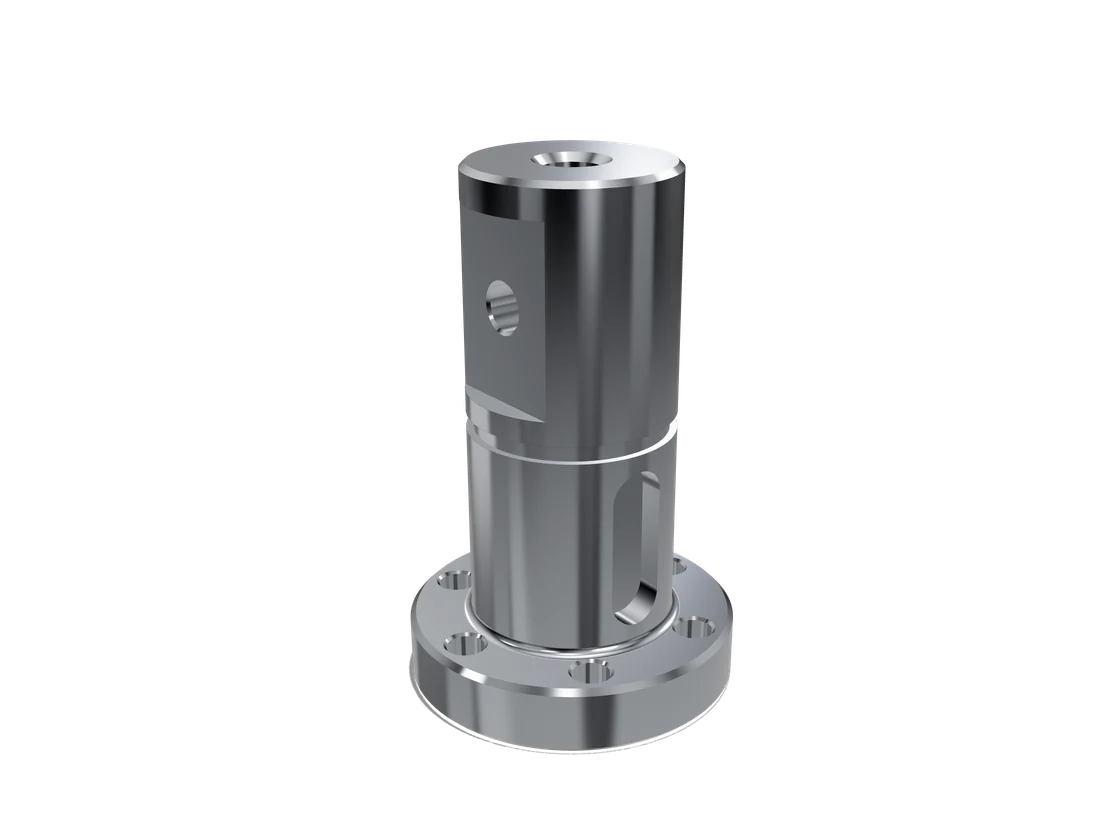
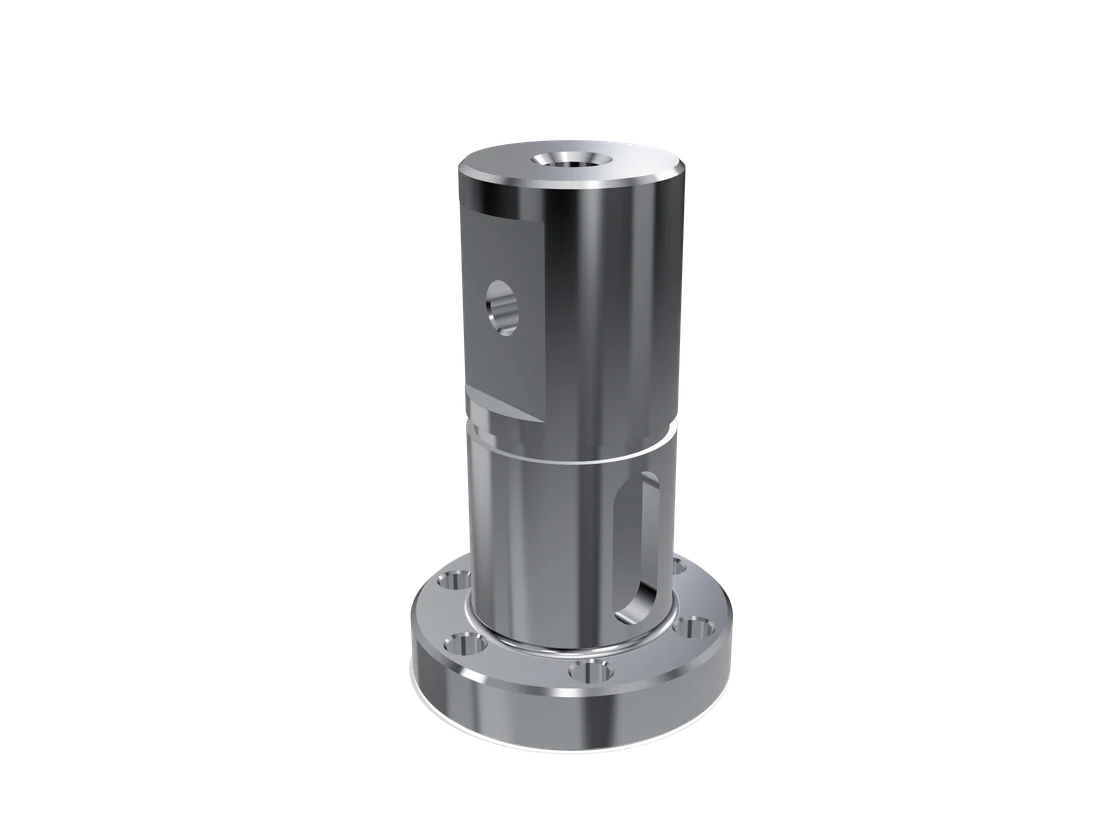
SDX-MFG-027 Rev A